Unlocking Visual Potential with Abstract 3D Backgrounds
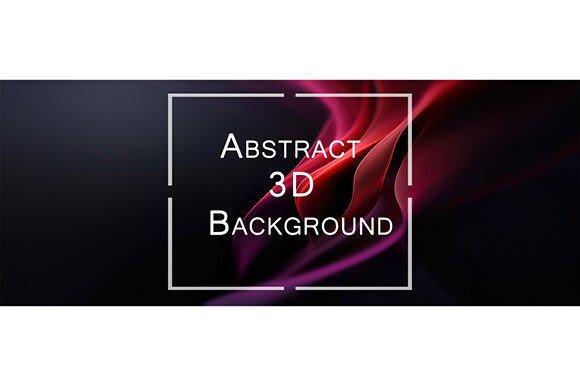
In the rapidly evolving landscape of digital design and visual communication, the demand for assets that bridge the gap between artistic expression and technical precision has never been higher. At the forefront of this shift are high-resolution abstract imagery files, specifically those featuring complex geometries and dynamic color flows. One such standout asset is the Abstract 3D Background with Bright Pink-Red Flow on Dark. This specific image, captured at a massive 5373x2100 pixel resolution with a 300 DPI density in a premium JPEG format, represents more than just a decorative element; it serves as a foundational tool for professionals across various industries.
The transition from standard web graphics to print-ready masterpieces requires a deep understanding of file specifications and visual impact. A background that looks stunning on a monitor often fails when scaled for large-format printing or intricate packaging. The specifications provided—300 DPI, high-resolution JPEG, and a dynamic aspect ratio—address these critical pain points directly. By examining the characteristics of this specific file, we can understand how modern creators are leveraging 3D rendering to enhance brand identity, educational materials, and consumer products.
The Technical Superiority of High-DPI 3D Assets
To appreciate the utility of this background, one must first understand the technical advantages inherent in its construction. The distinction between a standard screen image and a 300 DPI professional file is the difference between a blurry mess and a crisp masterpiece. When an image is set to 300 DPI (dots per inch), it ensures that every square inch of physical output contains enough data points to render smooth curves and sharp details without visible pixelation.
This level of quality is essential for the "Bright Pink-Red Flow" aesthetic found in this specific abstract design. Gradient transitions, particularly those involving vibrant neon colors against a dark canvas, are notoriously difficult to render correctly if the resolution is insufficient. Low-quality images often suffer from banding, where smooth color shifts break into distinct, ugly stripes. However, a 300 DPI, 5373-pixel wide file maintains the integrity of the flow, ensuring that the pink-to-red gradient melts seamlessly into the dark backdrop. This technical precision allows the image to be used in contexts ranging from small business cards to expansive wall art without any loss of fidelity.
Furthermore, the file format plays a crucial role in accessibility and workflow efficiency. As a high-resolution JPEG, the file balances compression with quality, making it lightweight enough for web integration while retaining the depth required for print production. This versatility means that designers do not need to juggle multiple versions of the same asset for different media channels. The single file serves as the source of truth for both digital and physical applications.
Bridging Digital and Physical Media
The dual nature of this asset makes it uniquely valuable in a hybrid work environment. Historically, digital designers and print producers worked in silos, often requiring separate assets for websites versus brochures. With a resolution of 5373 pixels, this Abstract 3D Background satisfies the high-density requirements of modern Retina displays and OLED screens, which demand pixel-perfect clarity. Simultaneously, the 300 DPI specification meets the rigorous standards of offset and digital printing presses.
Consider a scenario where a marketing team launches a new product line. They require a hero image for their landing page, but they also need to produce limited-edition packaging and postcards. Using a standard 72 DPI web image would force the team to compromise on the print side, resulting in poor quality merchandise. Conversely, starting with a 300 DPI master file allows them to downscale effortlessly for web use while maintaining the option to scale up for large posters. This flexibility streamlines the creative process, reduces turnaround time, and ensures brand consistency across all touchpoints.
Strategic Applications Across Industries
The versatility of the bright pink-red flow on a dark canvas opens doors for a wide array of practical applications. The choice of colors—vibrant pinks and reds against a deep black—is psychologically potent, evoking energy, passion, urgency, and sophistication. This specific color palette makes the background highly adaptable for branding initiatives that wish to stand out in crowded marketplaces.
- Social Media Branding: In the attention economy of platforms like Instagram, TikTok, and LinkedIn, visuals must stop the scroll. A high-contrast, abstract 3D background provides a perfect canvas for overlaying text, logos, or promotional content. The dark base ensures that white text remains legible, while the flowing colors add a layer of visual interest that static colors cannot achieve.
- Packaging Design: For consumer goods, particularly in sectors like cosmetics, fashion, or technology, packaging is a primary driver of purchase decisions. The premium quality of this 300 DPI file allows for direct printing on boxes, labels, and sleeves. The 3D effect adds a tactile sense of depth even before the consumer touches the product, suggesting innovation and modernity.
- Wall Art and Interior Design: The 5373x2100 aspect ratio is ideal for panoramic prints. Homeowners and interior designers can utilize this image for large-scale canvas prints that serve as focal points in living rooms, offices, or galleries. The abstract nature of the design ensures it complements rather than clashes with existing decor, offering a contemporary edge.
- Business Cards and Invitations: Even in the smallest formats, detail matters. When printed on premium cardstock, the fine gradients of the pink-red flow will appear smooth and rich. This elevates the perceived value of the stationery, signaling professionalism and attention to detail to clients and partners.
Enhancing Educational and Research Presentations
Beyond commercial applications, this type of high-fidelity imagery holds significant value for educators and researchers. Presentation slides often suffer from generic clip-art or low-resolution stock photos that detract from the message. Incorporating a sophisticated abstract background can elevate the tone of a lecture or conference presentation.
The dynamic flow of the 3D elements can metaphorically represent concepts such as data streams, neural networks, financial growth, or biological processes. For instance, a researcher presenting findings on fluid dynamics or a teacher explaining the concept of energy transfer could use this background to visually reinforce their narrative. The lack of specific subject matter in an abstract design prevents distraction, allowing the audience to focus on the speaker's words while remaining engaged by the visual context.
Creative Workflows and Implementation Strategies
Integrating a file of this caliber into a creative workflow requires a strategic approach to ensure maximum impact. The process begins with selecting the right software tools capable of handling high-resolution layers. While basic photo editors may struggle with the sheer data volume of a 5373-pixel image, professional suites like Adobe Photoshop or Illustrator can manage the file efficiently.
When designing for print, it is vital to maintain the CMYK color mode during the final stages of production. Although the original file is likely RGB, converting to CMYK ensures that the bright pink and red tones translate accurately to ink. Designers should be mindful of the gamut limitations of printers, potentially adjusting the saturation slightly to prevent color clipping. However, because the source is 300 DPI, there is ample room for adjustment without introducing artifacts.
For digital implementations, the workflow shifts towards optimization. While the full 300 DPI file is excellent for viewing on high-end devices, loading such a large file on a mobile website can slow down performance. Best practices suggest creating responsive variants: using the full-resolution version for desktop hero sections and generating optimized, compressed versions for mobile views. Despite these optimizations, the core asset remains the same, preserving the brand's visual integrity.
Customization and Versatility
The true power of an abstract background lies in its adaptability. Because the image lacks a defined focal point, it acts as a neutral yet engaging stage for other elements. Designers can easily overlay typography, vector illustrations, or photographic cutouts. The dark background provides natural contrast, reducing the need for heavy drop shadows or masking effects that can clutter a design.
For example, a graphic designer creating a series of event invitations might place a gold foil-style font over the dark section of the image, letting the pink-red flow act as a subtle border or highlight. Alternatively, a developer building a blog theme could use the image as a parallax scrolling background, where the movement of the scroll reveals different parts of the 3D flow, creating an immersive user experience. The possibilities are nearly limitless, constrained only by the creativity of the user.
Considerations for Long-Term Use
While the immediate benefits of this asset are clear, long-term considerations are equally important for businesses and creators. Investing in a premium, high-resolution JPEG ensures longevity. Trends in design change frequently, but a high-quality abstract foundation can be recontextualized to fit new styles. The 3D aesthetic, which has seen a resurgence in popularity due to advancements in rendering software, is likely to remain relevant for years.
Additionally, the ethical and legal aspects of usage must be considered. Ensuring that the license associated with the file permits the intended uses—whether for commercial resale, client work, or internal presentations—is a critical step. A premium quality file typically comes with comprehensive licensing that covers the broad range of applications mentioned above, providing peace of mind to the user.
Furthermore, as storage solutions evolve, keeping the original 300 DPI master file is essential. It serves as the archive from which all future derivatives are created. Relying solely on downscaled copies can lead to degradation over time as the image is repeatedly edited and resaved. Maintaining the original 5373x2100 px file guarantees that the brand always has access to the highest possible quality representation of its visual identity.
Conclusion
The intersection of artistic vision and technical precision defines the modern digital toolkit. An asset like the Abstract 3D Background with Bright Pink-Red Flow on Dark exemplifies this convergence. Its high resolution, superior DPI, and versatile color scheme make it an indispensable resource for anyone looking to elevate their visual output. Whether applied to a website, a piece of wall art, or a business card, this background delivers a level of polish and professionalism that resonates with audiences.
By understanding the capabilities of such files and integrating them thoughtfully into workflows, professionals can create designs that are not only beautiful but also functional and durable. The ability to move seamlessly between digital and physical mediums without sacrificing quality is a hallmark of effective design strategy. As we continue to navigate a visually saturated world, having access to premium, adaptable assets becomes increasingly critical for standing out and communicating effectively.