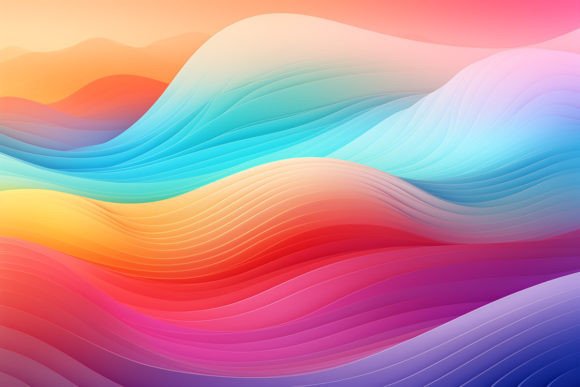
Unlocking Creativity with the Rainbow Gradient Background
In a digital landscape saturated with static colors and monochromatic designs, finding a visual element that instantly captures attention while maintaining professional appeal can be challenging. This is where the Rainbow Gradient Background transforms from a simple aesthetic choice into a powerful tool for creators, designers, and crafters alike. Whether you are designing a website, planning a party invitation, or organizing your personal planner, this specific set of digital papers offers a versatile solution to elevate your projects.
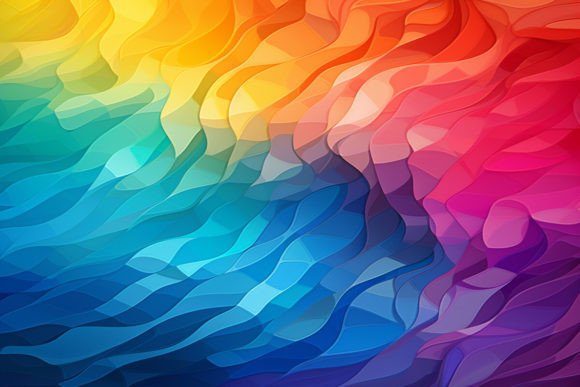
The core value of a Rainbow Gradient Background lies in its ability to bridge the gap between playful vibrancy and sophisticated design. Unlike harsh, solid blocks of color that can strain the eyes or look dated, a gradient provides a smooth transition of hues that mimics natural light. This particular collection, generated using advanced generative art technology like Midjourney, ensures that every pixel is crisp, high-resolution, and uniquely crafted to meet modern design standards.
Addressing Design Challenges with High-Quality Digital Papers
Many creative professionals face a common hurdle: finding resources that are both visually striking and technically reliable. Low-resolution images often appear pixelated when printed, ruining the quality of business cards or scrapbook albums. Conversely, overly complex textures can make text difficult to read on web graphics. The need for a resource that balances high fidelity with aesthetic versatility is paramount.
This Rainbow Gradient Background set directly addresses these pain points. Each image is provided in a 1200 × 800 pixel resolution at 300 dpi. This specification is crucial for anyone looking to produce tangible outputs. A 300 dpi standard ensures that when you print your invitations, fabric prints, or photo album covers, the color transitions remain seamless and sharp, free from the jagged edges that plague lower-quality downloads. By starting with a high-definition source, you eliminate the frustration of re-doing work due to poor file quality.
Practical Applications Across Diverse Projects
The utility of a Rainbow Gradient Background extends far beyond simple wallpaper. Its adaptability makes it a staple resource for a wide array of industries and hobbies. Understanding how to leverage this texture can significantly improve the outcome of your creative endeavors.
- Web Design and Digital Graphics: For web designers, a Rainbow Gradient Background serves as an excellent base for landing pages or blog headers. It draws the user's eye without overwhelming the content. When used as a backdrop for business cards or letterhead, it adds a touch of modern flair that distinguishes a brand from competitors relying on boring corporate blues and greys.
- Crafting and Scrapbooking: Hobbyists creating planner stickers or scrapbook albums often struggle to find paper patterns that match their specific theme. These digital papers allow users to print custom backgrounds for physical crafts. You can cut them out for collages, use them as backing for photos in albums, or incorporate them into DIY home decor items.
- Event Planning and Invitations: Parties require a festive atmosphere immediately upon opening an invite. A Rainbow Gradient Background sets a celebratory tone effortlessly. Whether for a birthday, a baby shower, or a corporate retreat, the vibrant hues convey joy and energy before a single word is read.
- Fabric Printing and Stationery: The 300 dpi resolution makes this asset ideal for sublimation printing onto fabric. Designers can create unique t-shirts, tote bags, or scarves featuring smooth, flowing rainbow tones. Similarly, for stationery enthusiasts, these backgrounds provide a premium feel for personalized notepads and envelopes.
How Generative Art Enhances Your Workflow
A key differentiator in this set is its origin. Created with Midjourney, a leading generative AI program, the Rainbow Gradient Background benefits from algorithmic precision that human artists might take hours to achieve manually. This technology allows for infinite variations in hue mixing and lighting effects that result in a more organic, less repetitive pattern.
For users who rely on speed and efficiency, this means you do not have to spend time tweaking color sliders in Photoshop to get the perfect shade. The AI has already optimized the flow of colors, ensuring a balanced composition that works well as a background. This saves valuable time for designers who need to deliver projects quickly without sacrificing quality.
Tailoring the Approach to Your Needs
Different users will approach the Rainbow Gradient Background in unique ways depending on their goals. A graphic designer focusing on web accessibility might use the gradient as a subtle overlay with a low opacity, allowing text to pop while retaining the colorful ambiance. In contrast, a scrapbooker might treat the same image as the primary focal point, layering physical embellishments on top to create depth.
Consider the context of your project. If you are designing for a children's event, the full vibrancy of the gradient should be embraced to match the energy of the occasion. However, if the project is for a more formal business presentation, you might choose to crop the image to focus on a specific section of the gradient or combine it with ample white space to maintain professionalism. The beauty of having a 1200 × 800 pixel JPG file is the flexibility to crop, resize, and manipulate the image to fit any canvas.
Maximizing Outcomes with Strategic Implementation
To get the most out of this digital paper, it is essential to integrate it thoughtfully into your workflow. Start by testing the background on a small scale. Place a sample piece of text over the gradient to ensure readability. If the colors are too intense, consider adding a semi-transparent layer or adjusting the brightness of the underlying image.
When moving to print, always verify your printer settings. Even though the file is 300 dpi, the final output depends on the quality of your printer and the type of paper used. For fabric printing, ensure the file is converted to the correct color profile (usually CMYK) to prevent color shifting during the dyeing process. For digital use, stick to the RGB format to keep the colors vivid on screens.
Ultimately, the Rainbow Gradient Background is more than just a pretty picture; it is a functional asset that solves the problem of visual monotony. By providing a high-resolution, professionally generated resource, it empowers users to create stunning invitations, durable crafts, and engaging web graphics with ease. Whether you are a seasoned pro or a weekend crafter, incorporating this dynamic texture into your toolkit can transform ordinary projects into extraordinary creations.
Embrace the potential of generative art in your daily workflow. With one download, you gain access to a versatile foundation that supports everything from home decor to commercial branding. Let the smooth transitions of the Rainbow Gradient Background inspire your next big idea, proving that practicality and beauty can coexist seamlessly in digital design.