Retro Christmas Digital Papers 7: A Practical Guide to Elevating Your Holiday Creations
The holiday season brings a surge of creativity, but it also demands precision. When you are looking for Retro Christmas Digital Papers 7, you are likely seeking more than just a collection of images; you are looking for a foundation that supports your vision while standing up to the rigors of production. This digital paper bundle is designed to bridge the gap between nostalgic charm and modern commercial viability. However, simply downloading a file does not guarantee success. Many creators overlook critical details regarding resolution, licensing, and application methods, which can lead to frustrating results or even legal complications.
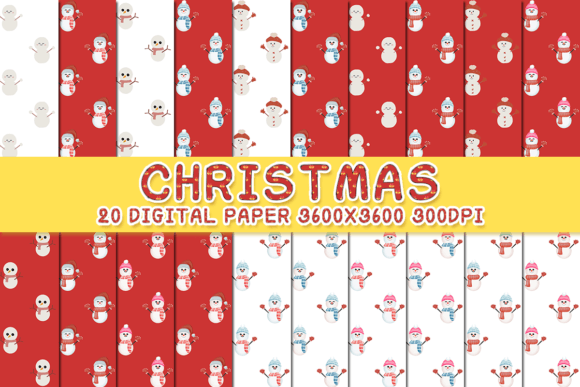
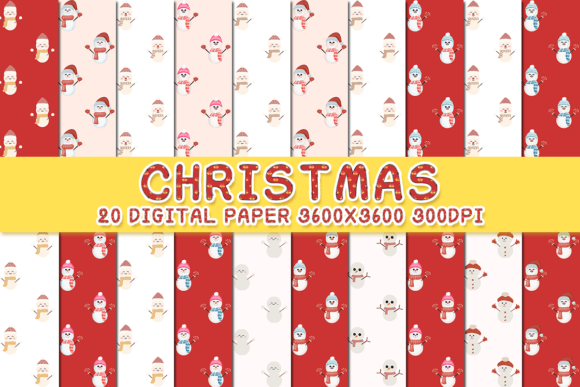
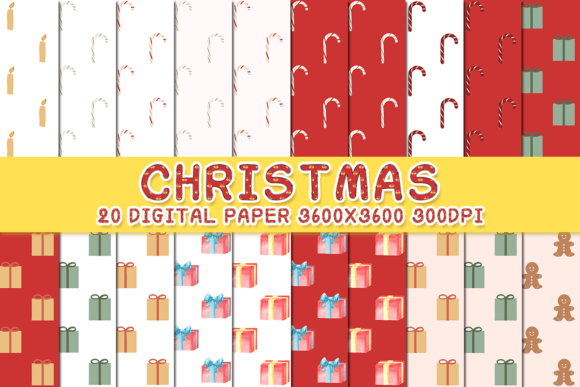
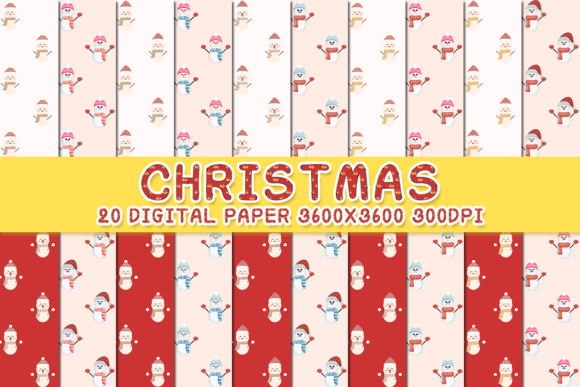
Understanding what this specific bundle offers is the first step toward making a smart decision. The package includes 20 high-resolution JPG files, each sized at 3600x3600 pixels. In practical terms, this translates to 12x12 inches at a crisp 300 DPI. This specification is non-negotiable for professional output. If you intend to print these designs on large formats like blankets, pillows, or product packaging, lower resolutions will result in pixelation that ruins the retro aesthetic instantly. By starting with files that meet these exacting standards, you ensure that your T-shirts, stickers, mugs, and phone cases look polished from the very first impression.
Common Pitfalls in Selecting and Using Digital Papers
One of the most frequent mistakes creators make is assuming that all "high-quality" digital papers are interchangeable. While many bundles claim to be suitable for sublimation or print-on-demand, they often fail to deliver consistent color fidelity or sharpness when scaled. With Retro Christmas Digital Papers 7, the emphasis is on clarity and texture. Beginners often try to stretch a small image to fit a large canvas, which inevitably leads to blurriness. Always check the pixel dimensions before purchasing. If a file is only 72 DPI or significantly smaller than 3600x3600 pixels, it is unsuitable for physical products, regardless of how cute the design looks on a screen.
Another overlooked detail is the distinction between personal and commercial use. Many hobbyists purchase digital assets without verifying the license terms. If you plan to use these papers for business cards, social media branding, or selling items like book covers and invitations, you must ensure the bundle explicitly grants commercial rights. Failing to do so can result in copyright strikes or financial penalties. Conversely, some professionals overcomplicate their workflow by using complex vector formats when a simple, high-res JPG is perfectly adequate for their needs. For most sublimation projects, direct-to-garment printing, or standard home printing, the 300 DPI JPG format provided here is the most efficient choice.
Why Resolution Matters More Than You Think
There is a misconception that a pretty pattern on a computer screen is enough to sell a product. It is not. When you apply a low-resolution design to a mug or a blanket, the printer magnifies every imperfection. The "retro" style relies on clean lines and distinct textures. If the source file lacks the necessary density (300 DPI), those lines will break up into jagged dots during the printing process. This error affects not just the visual quality but also customer satisfaction. A blurry logo on a business card or a pixelated design on a sticker signals unprofessionalism, regardless of how good the underlying idea was.
To avoid this, always verify the DPI settings of any asset you download. Retro Christmas Digital Papers 7 is built with this requirement in mind, offering files that are ready for immediate use in professional workflows. Do not waste time trying to upscale images using software algorithms, as this rarely restores lost detail. Instead, start with the correct size—3600x3600 pixels—and scale down if necessary for web use. Scaling down preserves quality; scaling up destroys it.
Maximizing Versatility Across Platforms
The true value of this bundle lies in its adaptability. The retro aesthetic is timeless, making it suitable for a wide array of applications beyond just holiday decorations. However, users often limit their imagination or, conversely, try to force a design where it doesn't belong. For instance, using a heavy, textured background for a text-heavy invitation might reduce readability. The key is balance. Use these papers as backgrounds for social media posts, logos, or product packaging where they enhance the theme without overpowering the message.
When creating printables or invitations, consider the contrast. The vintage colors in Retro Christmas Digital Papers 7 are carefully curated, but they still require proper pairing with typography. A common mistake is placing white text over a light section of a paper pattern, rendering it invisible. Test your layouts before finalizing them. Similarly, for merchandise like T-shirts and blankets, ensure the design placement accounts for the fabric's texture. A flat digital image may look different once printed on a soft, woven material.
Evaluating Your Needs Before You Buy
Before integrating these digital papers into your workflow, take a moment to assess your specific requirements. Are you a small business owner preparing for the holiday rush? Or perhaps a freelancer working on client branding? Your needs dictate how you utilize the files. If you are producing physical goods, prioritize the 300 DPI specification. If your focus is strictly on digital marketing, such as blog headers or social media graphics, you can easily resize these files without losing quality, thanks to their generous pixel count.
Do not underestimate the importance of file organization. Once you download the 20 JPG files, sort them logically. Create folders for different project types, such as "Packaging," "Apparel," or "Digital Downloads." This simple step saves hours of searching later. Furthermore, always keep a backup of your original high-resolution files. Never edit directly on the master copy; work on duplicates to preserve the integrity of the source data. This practice ensures that if you need to re-export a file for a new project, you don't have to start from scratch.
Practical Tips for Flawless Execution
To get the most out of Retro Christmas Digital Papers 7, adopt a methodical approach. Start by opening the files in your preferred design software and checking the color profile. Ensure your monitor is calibrated so that the colors you see match the final print output. Discrepancies between screen and print are a common source of disappointment. If you are unsure about color accuracy, request a proof sample before committing to a large run of mugs or blankets.
For educators and bloggers, these papers offer an excellent way to create engaging, festive content without needing advanced graphic design skills. Use them to design lesson plans, worksheets, or blog graphics. The high resolution ensures that your materials look professional whether viewed on a tablet or printed out for classroom use. Just remember to respect the usage guidelines included with the download. Whether you are a marketer creating ad creatives or a hobbyist making gifts for family, the goal is to produce work that reflects well on you.
In conclusion, the difference between a mediocre project and a standout one often comes down to the quality of your resources. By choosing a bundle like Retro Christmas Digital Papers 7 that prioritizes high resolution and versatility, you set yourself up for success. Avoid the traps of low-quality downloads, unclear licenses, and poor preparation. Instead, embrace the convenience of ready-to-use, high-fidelity assets that allow you to focus on creativity rather than technical fixes. With the right tools and a careful approach, your holiday creations can achieve the professional polish they deserve.