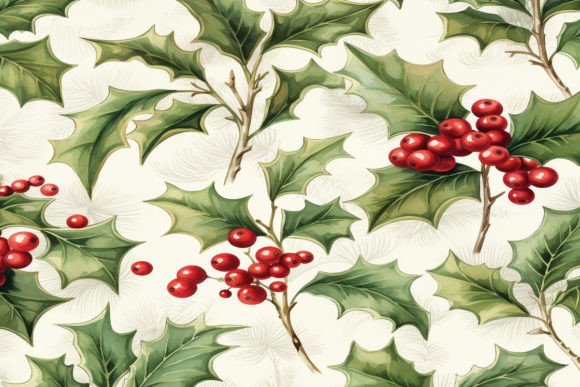
Christmas Background: Why This Digital Paper Set is a Game-Changer for Your Holiday Projects
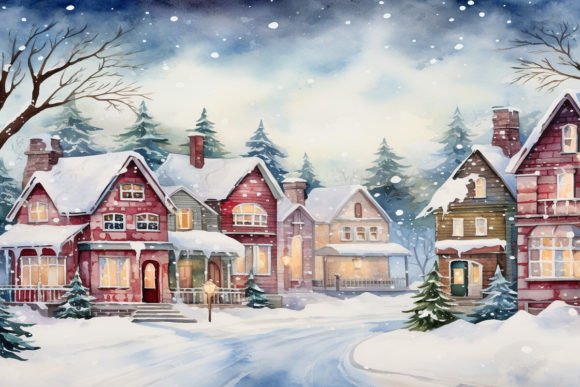
When you are ready to bring your holiday vision to life, the difference between a generic look and a professional finish often comes down to one small detail: the foundation. A Christmas Background isn't just an image; it is the canvas upon which your creativity rests. Whether you are designing a custom planner, creating a digital invitation, or printing fabric for a unique home decor item, the quality of your backdrop dictates the success of your entire project.
This specific collection offers a 1200 × 800 pixel resolution in JPG format at 300 dpi, ensuring that every detail remains crisp whether viewed on a screen or printed for a physical craft. Created using Midjourney, a generative art AI program, these images offer a modern aesthetic that traditional stock photography sometimes misses. However, simply having access to high-quality assets is only half the battle. Many creators make critical errors when selecting and applying digital papers, leading to blurry prints, color mismatches, or designs that feel disjointed.
Avoiding the Resolution Trap
One of the most common mistakes beginners make is assuming that any image with "high definition" in its description will work for print. In reality, many online images are optimized solely for web viewing, meaning they lack the necessary pixel density for physical output. If you attempt to scale up a low-resolution background for a large greeting card or a banner, the result will be pixelated and unprofessional. This not only ruins the visual appeal but can also waste money on printing services that reject substandard files.
To avoid this pitfall, always verify the DPI (dots per inch) before downloading. The set we are discussing provides 300 dpi, which is the industry standard for high-quality printing. This ensures that text overlays, stickers, and decorative elements sit on a sharp, clean surface rather than a grainy mess. When evaluating a Christmas Background for your scrapbooking or business cards, check the file properties immediately. If the resolution is lower than 300 dpi, it should be strictly reserved for social media graphics or website headers where print quality is not required.
The Color Calibration Misunderstanding
Another overlooked detail involves the color space. Screens display colors in RGB (Red, Green, Blue), while printers use CMYK (Cyan, Magenta, Yellow, Black). While this set is provided in JPG format, which is universally compatible, the vibrant hues generated by AI tools like Midjourney can sometimes shift slightly when converted for physical printing. A rich red might appear as a duller brick color if the color profile is not managed correctly.
If you plan to use these backgrounds for invitations, cardmaking, or photo albums, it is wise to do a test print on a single sheet before committing to a full run. This step helps you identify any unexpected shifts in saturation or brightness. Furthermore, when layering other elements like Christmas Flowers Digital Papers over your background, ensure that the contrast is sufficient. A busy background can sometimes make foreground text hard to read, especially if the colors are too similar in tone. Always preview your design at 100% zoom to ensure readability and visual balance.
Maximizing Versatility Without Compromise
The true value of a digital paper set lies in its versatility, yet many users limit their application based on outdated assumptions about what digital files can do. With a resolution of 1200 × 800 pixels, this specific Christmas Background is perfectly sized for a wide array of projects. It is ideal for planner stickers, where the dimensions must fit neatly within a grid, and equally effective for web graphics where loading speed matters.
However, using these images effectively requires planning. For instance, if you are a freelancer or small business owner looking to create letterhead or stationary, the aspect ratio of the background must align with standard paper sizes. While 1200 × 800 is a versatile size, it may require cropping or resizing for specific formats like A4 or Letter paper. The key is to utilize software that allows for non-destructive editing, preserving the original 300 dpi quality throughout the process.
- For Scrapbook Albums: Use the background as a base layer to add texture without overwhelming the photos.
- For Fabric Printing: Ensure your printer supports high-DPI JPGs to maintain the integrity of the pattern across the material.
- For Web Design: Optimize the file size for faster loading times while maintaining the visual impact.
Leveraging AI-Generated Art Responsibly
The fact that these images were made with Midjourney adds a unique layer of sophistication. Generative AI allows for intricate details and artistic styles that are difficult to replicate manually. However, relying entirely on AI without understanding its output can lead to inconsistencies. Sometimes, AI-generated textures may have subtle artifacts or repeating patterns that become noticeable upon close inspection.
To mitigate this, examine the image closely for any irregularities before integrating it into a larger project. If you notice a repeating tile effect, consider using the image as a textured overlay rather than a solid fill. This approach can turn a potential flaw into a stylistic feature, adding depth to your collages or party decorations. Additionally, remember that while AI creates stunning visuals, the final product's success depends on how well you curate and combine it with other elements like Christmas Flowers Digital Papers.
Making the Right Choice for Your Needs
Before purchasing or downloading a Christmas Background, ask yourself what the end goal is. Are you creating a quick social media post, or are you producing a high-end wedding invitation? The answer determines the level of quality and resolution you need. If you are a blogger or educator looking to enhance your content, this set offers a perfect balance of quality and ease of use. For entrepreneurs, it provides a cost-effective way to produce branded materials without hiring a graphic designer.
Ultimately, the best approach is to treat digital assets as tools that require careful handling. By understanding the technical specifications—such as the 300 dpi resolution and JPG format—you can avoid costly mistakes and ensure your projects look polished and professional. Whether you are crafting home decor items, designing business cards, or organizing your personal planner, a well-chosen background sets the tone for everything else.
Take the time to evaluate your options, check the file details, and test your designs before finalizing them. With the right resources and a bit of caution, you can transform simple digital papers into stunning works of art that capture the spirit of the season. Remember, the goal is not just to use a template, but to elevate your creative output with intention and precision.