Concrete Textured Wall: Industrial Background
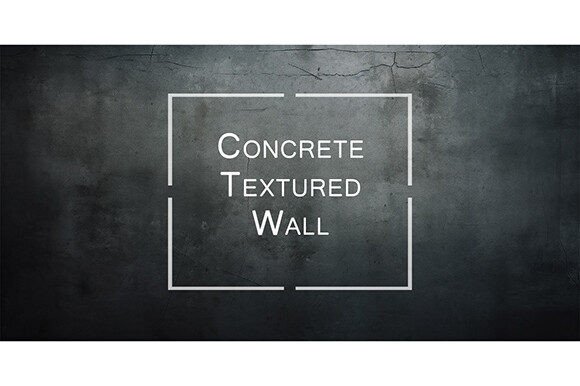
In a digital landscape saturated with polished perfection and sterile minimalism, there is a distinct power in the raw, the imperfect, and the authentic. The Concrete Textured Wall offers exactly that. It is not merely a background image; it is a visual anchor that grounds your content in reality. With dimensions of 4102x2100 pixels at 300 DPI, this high-resolution JPEG file provides a premium canvas that bridges the gap between industrial grit and modern design sophistication.
For creators, marketers, and entrepreneurs, the appeal lies in its versatility. Unlike generic gradients or stock photos of people shaking hands, a concrete surface tells a story of structure, durability, and urban evolution. Whether you are designing a website for a tech startup or a poster for an art exhibition, this texture adds a layer of depth that commands attention without overwhelming the message. It serves as a neutral yet character-rich foundation that allows your typography and imagery to take center stage while maintaining a cohesive aesthetic.
The Allure of Raw Aesthetics
Why does a wall made of cement resonate so deeply with contemporary audiences? The answer lies in the concept of "brutalism" and its evolution into a mainstream design trend. Concrete is honest material. It does not hide its seams, its imperfections, or its history. When you incorporate a Concrete Textured Wall Full Screen into your projects, you are tapping into a psychological association with stability, strength, and transparency.
This texture works because it mimics the environment we live in. Our cities are built of these materials, and our eyes are accustomed to their patterns. By using this background, you create an immediate sense of familiarity. However, the specific qualities of this 300 DPI file elevate it beyond a simple photograph. The high resolution ensures that every micro-crack, every subtle variation in gray tone, and every shadow cast by the rough surface is captured with crystal clarity. This level of detail prevents the dreaded pixelation that plagues low-quality backgrounds, ensuring your final output looks professional regardless of the screen size.
Designing for Impact and Clarity
The primary challenge when working with textured backgrounds is maintaining readability. If the texture is too busy, text becomes illegible; if it is too flat, the design feels boring. The key to mastering the Concrete Textured Wall is contrast and layering. Because the background is monochromatic, it acts as a perfect foil for bold colors, vibrant photography, or stark white typography.
Consider the hierarchy of your design elements. Place your most critical information on areas of the wall where the lighting is slightly brighter or where the texture is less pronounced. For darker text, ensure you add a subtle drop shadow or a semi-transparent overlay to separate the letters from the complex surface behind them. Conversely, white text pops beautifully against the deep grays of the concrete, creating a striking, high-contrast look that is both modern and authoritative.
Practical Applications Across Industries
The utility of this asset extends far beyond simple decoration. Its industrial yet refined nature makes it adaptable to a wide array of sectors. Here is how different professionals can leverage this high-resolution resource to achieve specific goals.
- Digital Marketing and Web Design: Use the full-screen version as a landing page hero background. It instantly communicates a brand identity that values substance over flash. For e-commerce sites selling furniture, architecture, or automotive products, this texture reinforces the idea of quality craftsmanship. Ensure your call-to-action buttons stand out with contrasting colors like electric blue, burnt orange, or pure white.
- Social Media Branding: Platforms like Instagram and LinkedIn often suffer from cluttered feeds. A consistent use of this concrete texture across your story highlights, cover images, or post templates creates a unified visual language. It signals to your followers that your brand is grounded and reliable. You can overlay motivational quotes or product announcements on top, letting the wall provide the mood while the text delivers the value.
- Print Media and Packaging: With a file size of 300 DPI, this image is print-ready. Imagine a luxury packaging box for a craft beer, a limited-edition sneaker box, or a high-end notebook cover. The tactile feel of concrete translates visually through the ink, suggesting a premium product inside. For posters and invitations, the texture adds a sophisticated edge that plain paper cannot achieve, making the physical item feel more substantial and memorable.
- Real Estate and Architecture: For architects and interior designers, this background is essential. It allows you to showcase renderings of new builds or renovations by placing them against a contextually relevant backdrop. It helps clients visualize how their project fits into an urban environment or a modern loft space.
Creative Variations and Stylistic Approaches
While the base image is powerful, its true potential is unlocked when you treat it as a dynamic element rather than a static one. Do not just place text on top; interact with the texture. Try adding grain overlays to match the noise in the concrete, or use masking techniques to reveal parts of your content through the cracks in the wall.
You can also manipulate the color grading. While the natural gray tones are versatile, applying a slight sepia tint can evoke a vintage, retro-industrial vibe, while a cool blue wash can make the design feel futuristic and clean. These adjustments allow you to tailor the same asset to fit vastly different brand personalities without losing the core structural integrity of the image.
For bloggers and content creators, this texture is ideal for headers in long-form articles about technology, business, or lifestyle. It breaks up the monotony of white pages and gives the reader a visual cue that the content is serious and well-researched. In presentations, using this as a slide background can transform a standard corporate deck into something that feels more like a pitch for a creative agency or a tech innovator.
Maintaining Consistency and Professionalism
When integrating the Concrete Textured Wall Full Screen into your workflow, consistency is paramount. Avoid mixing this texture with other competing textures, such as wood or brick, unless you have a very deliberate reason to do so. The goal is to create a cohesive environment where the concrete supports the content, not competes with it.
Always check your files before export. Since you are working with a 4102x2100 px image, scaling it down for mobile devices is necessary, but always start with the high-resolution source to ensure crisp edges. For web use, consider compressing the file to a web-friendly format like WebP or optimized JPEG to maintain load speeds without sacrificing the visible quality of the texture.
Ultimately, the value of this asset comes from how you apply it. It is a tool for grounding your ideas in a tangible reality. Whether you are a freelancer looking to impress a client with a sleek portfolio, a small business owner designing a flyer for a grand opening, or an educator creating engaging course materials, the Concrete Textured Wall provides a reliable, high-quality foundation. It reminds us that even in a world of digital ephemera, there is enduring value in building something solid, structured, and real.
By embracing this texture, you are not just choosing a background; you are choosing a direction. You are signaling that your work is built to last, designed with purpose, and ready to withstand the noise of the modern marketplace. Let the raw beauty of the wall inspire your next project, and watch as your designs gain the weight and presence they deserve.