Spring Digital Papers: A Practical Guide to Avoiding Common Design Pitfalls
Creating professional-looking projects does not always require expensive software or a degree in graphic design. Sometimes, the difference between a amateur attempt and a polished final product comes down to the quality of your foundational assets. Spring Digital Papers offers exactly that foundation: a curated collection designed to elevate invitations, business cards, stickers, and stationery without the hassle of physical inventory.
However, purchasing digital assets is different from buying a physical item. There are specific nuances regarding file formats, resolution, and usage that can trip up even experienced creators if they aren't aware of them. Understanding these details ensures you get the most value from your purchase and avoid the frustration of low-quality prints or incompatible files.
Understanding the Product: What You Are Actually Buying
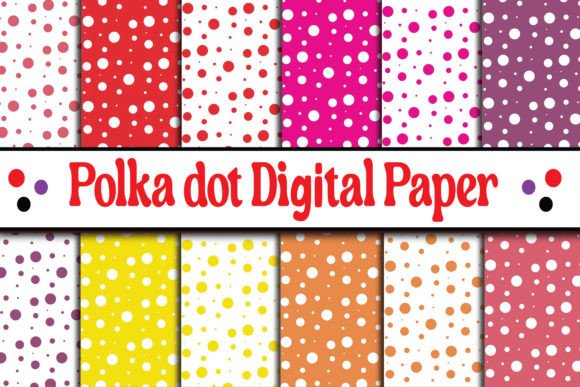
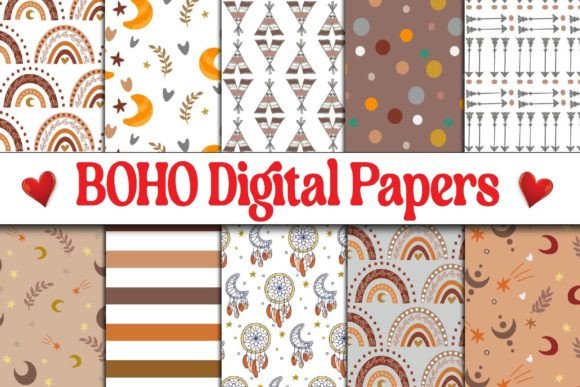
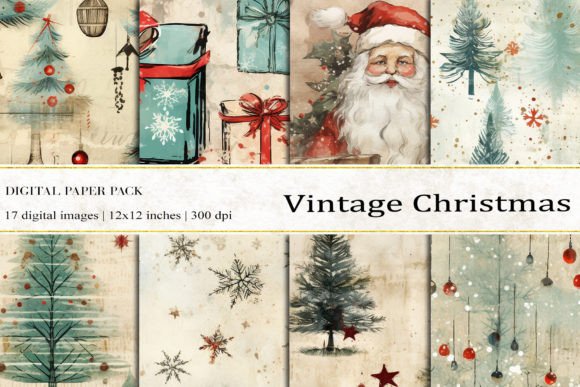
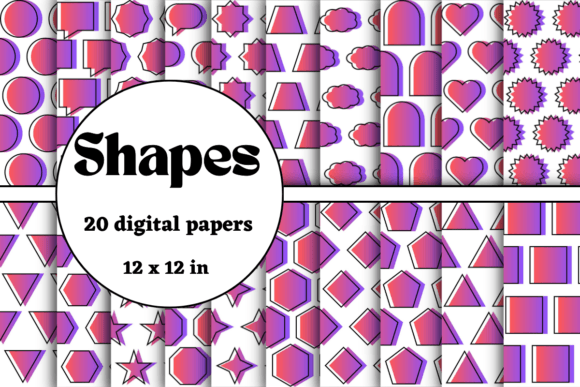
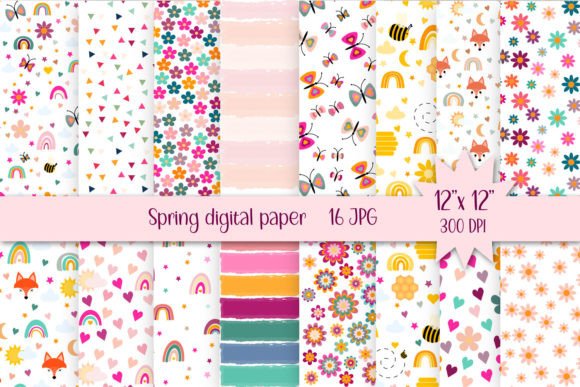
Before diving into the technical specifications, it is crucial to clarify what this product is. This is a digital product. No physical goods will be shipped to your doorstep. Instead, you receive a package containing 16 patterned paper images ready for immediate use. This distinction is vital because it changes how you manage expectations regarding delivery time and physical handling.
The set includes 16 separate JPEG files, each sized at 12 inches by 12 inches with a high-resolution output of 300 dpi. These dimensions are the industry standard for scrapbooking, card making, and many digital printing services. The high resolution ensures that when you print these patterns, the edges remain crisp and the colors do not pixelate, which is essential for items like party supplies or close-up business cards where detail matters.
Many beginners assume that "digital" means "instant download only." While true, the format (JPEG) and the packaging method (ZIP) require a basic level of computer literacy. If you are unsure how to handle compressed files, you might find yourself staring at a locked folder without knowing how to access the beautiful designs inside.
Common Mistakes When Using Digital Paper Sets
Even with high-quality assets, poor results often stem from user error rather than product flaws. Here are the most frequent pitfalls to watch out for when working with Spring Digital Papers.
Ignoring File Compression Formats
One of the most overlooked steps involves the ZIP file. Because 16 high-resolution images can take up significant space, sellers bundle them into a single archive. If you try to open a ZIP file directly as an image, nothing will happen. You must extract the contents first. Failing to unzip the folder means you cannot see the individual papers, leading to confusion about whether the download was successful.
- The Fix: Right-click the downloaded file and select "Extract All" on Windows or double-click to open on Mac. Ensure all 16 separate JPEG files are visible in a new folder before attempting to open them.
Misunderstanding Resolution Limits
A 300 dpi resolution is excellent for standard printing sizes, but it is not infinite. Some users attempt to scale a 12x12 inch image to fit a massive billboard or a large banner. When you enlarge a raster image beyond its native size, the pixels stretch, resulting in a blurry, jagged mess. This mistake can ruin a project meant for a large event display.
While Spring Digital Papers are perfect for invitations, stickers, and business cards, they are best used within their intended scale. Always check the required print size of your project before resizing the canvas.
Overlooking Color Profiles
Digital screens display color using light (RGB), while printers use ink (CMYK). A vibrant spring green on your monitor might appear slightly duller once printed. This is not a defect; it is a physical limitation of ink versus light. Beginners often blame the paper set for color shifts that are actually just screen calibration issues.
To mitigate this, always request a proof copy from your printer or check the color profile settings in your design software. Expecting a perfect match between screen and print without adjustment is a common source of disappointment.
Evaluating Your Needs Before You Buy
Not every digital paper set fits every workflow. Before committing to Spring Digital Papers, consider how you intend to use the files. Are you planning to create physical products for sale? Or are you designing for social media?
If you are selling physical goods, ensure your printing service accepts JPEG files. Most do, but some high-end lithography presses prefer TIFF or PDF formats for better color fidelity. Additionally, verify that your printer can handle 12x12 inch sheets. While this is standard, some home printers have maximum paper widths smaller than 12 inches, which would require you to crop the images, potentially ruining the pattern alignment.
For entrepreneurs and marketers, the versatility of this pack is a major asset. The 16 unique patterns allow for consistent branding across multiple touchpoints. You can use one pattern for the background of an email newsletter, another for a printable flyer, and a third for a sticker sheet. However, consistency is key. Do not mix too many contrasting styles unless that is the specific aesthetic you are aiming for.
Maximizing Efficiency and Quality
Once you have mastered the basics of unzipping and understanding resolution, you can focus on efficiency. Organizing your digital assets is the next step toward professional results. Create a dedicated folder on your hard drive labeled "Spring Digital Papers" and keep the extracted JPEGs there. This prevents you from accidentally overwriting them or losing track of which version you used in a specific project.
When creating invitations or business cards, remember that white space is your friend. Do not feel pressured to fill every corner of the page with a pattern. Often, a subtle background allows the text and main imagery to pop. Use the lighter patterns for backgrounds and save the bolder ones for accents or borders.
For educators and hobbyists, these papers are excellent for creating visual aids or personalized learning materials. The 300 dpi resolution ensures that children's artwork or classroom handouts look sharp when printed. Just remember to test print a single sheet first to confirm the colors meet your needs before printing a full batch.
Final Thoughts on Making the Right Choice
Choosing the right digital resources is about balancing convenience with quality control. Spring Digital Papers provides a robust toolkit for anyone looking to enhance their creative projects without the cost of physical storage. By understanding the limitations of digital files, mastering the extraction process, and respecting the resolution limits, you can avoid common frustrations.
Remember, the goal is to streamline your workflow, not complicate it. Take the time to learn how to handle ZIP files correctly, check your printer settings, and plan your layout before you start designing. With these practical steps in place, you will find that creating stunning invitations, stickers, and stationery becomes a seamless and enjoyable experience.
Whether you are a small business owner launching a new brand or a hobbyist crafting a special gift, having the right digital assets makes all the difference. Ensure you know how to use your files, respect the technical specifications, and you will produce work that looks professional and feels personal.